Industrial Flooring
Products
Industrial Flooring
- Epoxy, polyurethane and cementitious flooring systems engineered for Singapore's factories, warehouses and processing plants.

Products in Industrial Flooring
-

ARDEX 330
Concrete Sealer
- Single component
- Low odor
-

ARDEX R 55 EP
Water-based Epoxy Polyurethane Sealer for ARDEX Toppings
- Use over ARDEX Toppings
- Excellent adhesion and hard wearing
-
ARDEX R 76 E
Solvent Free High Chemical Resistance Novalac Self Smoothing Epoxy
- Novalac based epoxy self-smoothing system
- Excellent chemical resistant
-
ARDEX R 36 E
Solvent Free High Chemical Resistance Novalac Epoxy System
- High performance, Novalac epoxy floor system
- Excellent chemical resistant
-
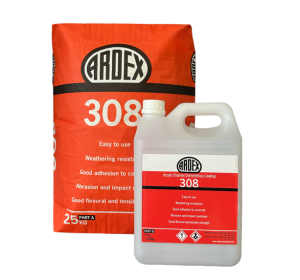
ARDEX 308
Rapid setting polymer modified cementitious coating (Heavy- duty)
- Easy to use
- Good abrasion, impact and weathering resistance
-

ARDEX R 68 P
Water-Based Polyurethane Floor Coating
- Single Component, ready to use
- Good hard-wearing and durable coating
-
ARDEX R 150 E
Multipurpose Solvent Free Epoxy System
- Versatile application
- Excellent adhesion to wide range substrates
-

ARDEX R 90 P
Rake and Trowel Grade Heavy Duty Polyurethane Screed
- Facilitates rapid application
- Resistant to a wide range of chemicals and liquids
-

ARDEX R 625 E
Antistatic Self-Smoothing Epoxy Floor System
- Solvent free
- Hard wearing and durable with low maintenance costs
-
ARDEX R 35 E
Solvent-Free High Build Epoxy Coating
- High performance
- Epoxy resin floor coating
-
ARDEX R 30 E
Water-based Epoxy Coating
- Low odour, environmental friendly
- Cost effective floor maintenance coating
-
ARDEX R 160 P
Polyurethane Coating
- Ready to use coating
- Good chemical resistance
-
ARDEX R 25 E
Self-Smoothing Epoxy Floor System
- Class-leading self-smoothing properties
- Resistant to a wide range of chemicals
-
ARDEX R 3 E
Moisture tolerant, solvent-free Epoxy Primer
- Long pot life
- For internal use
-

ARDEX R 2 E
General Purpose Solvent Free Epoxy Primer
- Easy to apply
- For internal or external use
-
ARDEX R 100 E
Heavy Duty Epoxy Screed System
- Resistant to a wide range of chemicals and liquids
- Suitable for coving to ensure a truly seamless floor
-
ARDEX R 74 P
Self – smoothing polyurethane screed
- Hard wearing, good abrasion resistance
- High mechanicals and impact resistance
-

ARDEX CL 5
Commercial Self-Levelling Topping
- Levelling and smoothing of floors
- For thickness from 3 to 10mm in one application
-

ARDEX 318
Rapid setting polymer modified cementitious coating (Heavy- duty)
- Rapid setting - Ready for traffic in 2 hours
- Excellent skid, abrasion, impact and weathering resistance
-

QUICSEAL 531
Paver-Crete
- Excellent bond strength to substrates
- High flexural and tensile strength
Products in Industrial Flooring Cement Base
-
ARDEX 308
Rapid setting polymer modified cementitious coating (Heavy- duty)
- Easy to use
- Good abrasion, impact and weathering resistance
-
ARDEX CL 5
Commercial Self-Levelling Topping
- Levelling and smoothing of floors
- For thickness from 3 to 10mm in one application
-
ARDEX 318
Rapid setting polymer modified cementitious coating (Heavy- duty)
- Rapid setting - Ready for traffic in 2 hours
- Excellent skid, abrasion, impact and weathering resistance
-
QUICSEAL 531
Paver-Crete
- Excellent bond strength to substrates
- High flexural and tensile strength
Products in Industrial Flooring Resin Base
-
ARDEX 330
Concrete Sealer
- Single component
- Low odor
-
ARDEX R 76 E
Solvent Free High Chemical Resistance Novalac Self Smoothing Epoxy
- Novalac based epoxy self-smoothing system
- Excellent chemical resistant
-
ARDEX R 36 E
Solvent Free High Chemical Resistance Novalac Epoxy System
- High performance, Novalac epoxy floor system
- Excellent chemical resistant
-
ARDEX R 68 P
Water-Based Polyurethane Floor Coating
- Single Component, ready to use
- Good hard-wearing and durable coating
-
ARDEX R 150 E
Multipurpose Solvent Free Epoxy System
- Versatile application
- Excellent adhesion to wide range substrates
-
ARDEX R 90 P
Rake and Trowel Grade Heavy Duty Polyurethane Screed
- Facilitates rapid application
- Resistant to a wide range of chemicals and liquids
-
ARDEX R 625 E
Antistatic Self-Smoothing Epoxy Floor System
- Solvent free
- Hard wearing and durable with low maintenance costs
-
ARDEX R 35 E
Solvent-Free High Build Epoxy Coating
- High performance
- Epoxy resin floor coating
-
ARDEX R 30 E
Water-based Epoxy Coating
- Low odour, environmental friendly
- Cost effective floor maintenance coating
-
ARDEX R 160 P
Polyurethane Coating
- Ready to use coating
- Good chemical resistance
-
ARDEX R 25 E
Self-Smoothing Epoxy Floor System
- Class-leading self-smoothing properties
- Resistant to a wide range of chemicals
-
ARDEX R 3 E
Moisture tolerant, solvent-free Epoxy Primer
- Long pot life
- For internal use
-
ARDEX R 2 E
General Purpose Solvent Free Epoxy Primer
- Easy to apply
- For internal or external use
-
ARDEX R 100 E
Heavy Duty Epoxy Screed System
- Resistant to a wide range of chemicals and liquids
- Suitable for coving to ensure a truly seamless floor
-
ARDEX R 74 P
Self – smoothing polyurethane screed
- Hard wearing, good abrasion resistance
- High mechanicals and impact resistance
What Is Industrial Flooring?
Industrial flooring refers to specialised floor systems, such as epoxy, polyurethane and cementitious coatings, applied over concrete to withstand forklift traffic, heavy machinery, chemical spills and constant wear in factories, warehouses and processing plants. In Singapore, industrial flooring must also meet workplace safety requirements for slip resistance and long-term durability, particularly in facilities that run continuous shifts or handle corrosive substances.
Epoxy vs Polyurethane vs PMMA Flooring: Which Should You Choose?
Choosing between epoxy, polyurethane and PMMA flooring comes down to what your floor will be exposed to day to day. The table below compares how each system performs.
| Factor | Epoxy | Polyurethane | PMMA |
| Best for | Dry warehouses, heavy forklift traffic | Cold storage, F&B and pharma, chemical exposure | Fast-track projects needing rapid turnaround |
| Flexibility | Rigid; can crack under substrate movement | High; resists thermal shock | Moderate |
| Cure time before traffic | 48 to 72 hours | Similar, with better temperature tolerance | Often same day |
| Typical setting | Factories, garages, general manufacturing | Cold rooms, wet processing areas, chemical plants | Time-sensitive refurbishments |
Epoxy remains the most economical option for standard industrial settings with heavy but predictable traffic. Polyurethane is worth the extra investment where the floor faces temperature swings, frequent washdowns or chemical exposure, such as cold storage or food processing. PMMA is less common but suits projects where the facility cannot afford extended downtime for curing.
Why Use Industrial Flooring Coatings in Singapore
Floor coatings for industrial areas are necessary to prevent quick wear and tear from mechanical factors such as corrosive liquid, high temperature, and impact. A properly specified coating adds durability and strength to handle sustained impact while keeping long-term maintenance costs low.
ARDEX-QUICSEAL provides a full range of coatings, including the popular epoxy systems favoured for their economical cost and hard-wearing finish. Resin flooring is one of the most functional flooring systems available, protecting against surface damage while improving workplace safety. Facilities in Singapore should also account for the slip resistance and durability standards expected under workplace safety and health regulations when specifying an industrial floor coating, particularly in wet or high-traffic zones.
Industrial Flooring by Application
Warehouses and Logistics
Facilities handling forklift traffic and pallet loads need a floor that resists abrasion without cracking under sustained mechanical stress. Epoxy systems are typically specified here for their hardness and cost efficiency.
Food and Beverage, Pharmaceutical
Facilities that require frequent washdowns, hygiene compliance, and resistance to thermal shock from cold storage or steam cleaning generally perform better with polyurethane, which flexes rather than cracking under temperature change.
Chemical and Manufacturing Plants
Environments exposed to solvents, acids or oils need a coating matched to the specific chemicals present. ARDEX’s epoxy and polyurethane systems are formulated with varying chemical resistance profiles to suit these conditions.
How Industrial Flooring Is Installed
Installing industrial flooring begins with substrate preparation, typically grinding or shot-blasting the existing concrete to remove contaminants and create a surface profile the coating can bond to. A primer is then applied to seal the substrate and improve adhesion. The main coating system, whether epoxy, polyurethane or a cementitious topping, is applied in one or more layers depending on the required thickness and performance specification. Curing time varies by product, with most systems ready for light traffic within 48 to 72 hours and full cure taking longer under Singapore’s humid conditions.
For all your flooring specialist needs
Whether you’re upholstering, repairing or installing new flooring in your home, office, warehouse or factory, getting a floor specialist can help you get the job done right and efficiently.
From concrete repairs and tile and stone adhesives to decorative work, ARDEX is a one-stop provider for all specialist flooring solutions. For a quote, get in touch with our team by emailing us at sales@ardex-quicseal.com.
Frequently Asked Questions
What is the difference between epoxy and polyurethane flooring?
Epoxy is harder and more cost-effective, making it well suited to dry warehouses with heavy forklift traffic. Polyurethane is more flexible and resists thermal shock better, which makes it the stronger choice for cold storage, food processing and other environments with temperature swings or frequent chemical exposure.
How much does epoxy floor coating cost in Singapore?
Cost depends on substrate condition, coating thickness, and the size of the area. Get in touch with our team for a project-specific quote based on your facility’s requirements.
Which is better for cold storage, epoxy or polyurethane?
Polyurethane is generally the better choice for cold storage. Its flexibility allows it to withstand the thermal shock of repeated temperature changes without cracking, unlike more rigid epoxy systems.
How long does industrial flooring take to install?
Most systems require 48 to 72 hours before they can accept light traffic, though full cure time can be longer depending on humidity and the specific product used.
What is PMMA flooring used for?
PMMA is typically used on projects where a facility cannot afford extended downtime, since it can often be returned to service the same day it is applied.